

Resume Keywords and ATS Optimization in 2026
83% of companies use AI to screen resumes, but 92% don't auto-reject on content. Here's how ATS keyword matching actually works and the role-version strategy.
Latest news and insights from job market.

83% of companies use AI to screen resumes, but 92% don't auto-reject on content. Here's how ATS keyword matching actually works and the role-version strategy.

33.5% of recruiters spot AI applications in 20 seconds and 19.6% reject them. Here's which AI job search tools help, which hurt, and the 5-level safety ladder.

Entry-level roles get 400-600 applications. Here's the simple no-experience resume template that beats flashy ones, plus role-specific examples for first jobs.

Amsterdam hosts 25+ EMEA HQs of major US tech companies, where senior engineers earn €110K-€145K base. The 30% ruling, visa routes, and how to apply first.

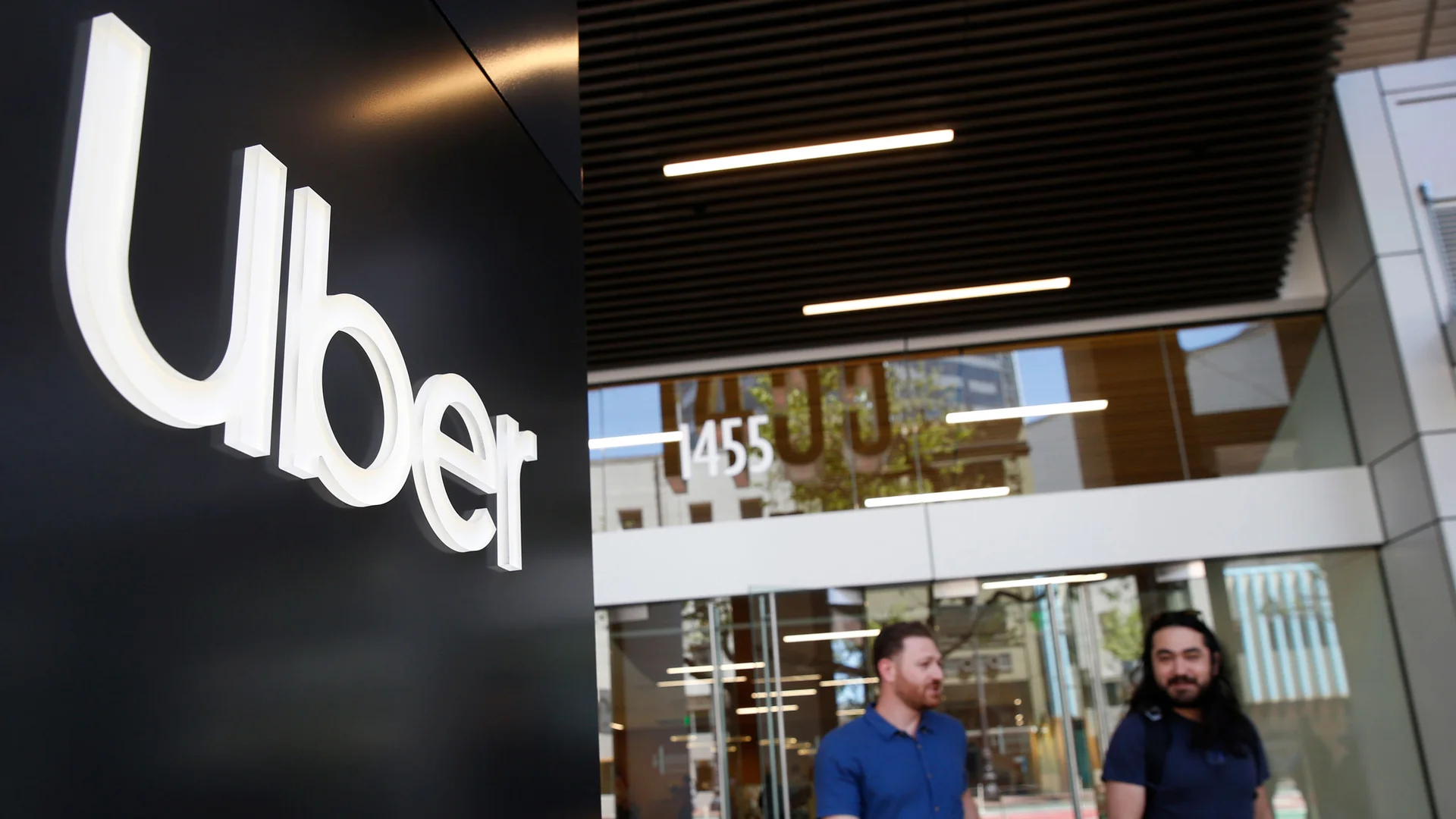
Uber cut 23% of its People division on June 3, 2026, affecting fewer than 340 staff. What the HR-focused layoff signals for tech workers.

70% of hiring managers say being unprepared is the #1 candidate mistake. Here are the 9 most common job interview questions, sample answers, and the 3-story system.

Only 54% of candidates research the company before an interview. Here's the 1-hour, 3-hour, and 24-hour prep plan that beats the underprepared majority.

Job-specific cover letters get a 16.4% callback rate vs. 10.7% for generic ones. Here's 3 templates plus when to skip the cover letter entirely.

LinkedIn Easy Apply: 1-2% callback rate. Direct applications: 15-30%. Here's the strategic 2026 job board playbook plus the niche boards no one mentions.

Austin added 8,300 net new tech jobs in 2026. Most candidates can't see them. Here's the Invisible Market playbook for Silicon, AI infra, and speed.

75% of job applications get no response, but only 23% of candidates send a follow-up email. Here's the 2026 follow-up playbook with 4 ready-to-use templates.

Candidates who ask thoughtful interview questions are 2.5x more likely to get hired, yet 38% of candidates fail interviews for not asking any. Here's the list.

India's AI specialist demand surged 300% since 2024 with a 53% skills deficit. Here's how to navigate the 2026 Bangalore tech market and beat the Visibility Gap.

A 24-hour thank-you email framework with timing guidance, common mistakes, and three ready-to-use templates for post-interview follow-up in 2026.

Engineering Manager is a career change, not a promotion. Learn the 2026 EM market, first-time manager path, interview playbook, and how to apply early.

Los Angeles employs 279,000 tech workers and ranks #3 globally as a startup hub. Silicon Beach salaries, top employers, neighborhoods, and how to apply first.

Nearly 65% of applicants use AI. Recruiters spot it in 20 seconds. Here's exactly how to humanize your job application and get to the interview stage.

83% of organizations run Kubernetes in production. Senior SREs earn $185K median base. DevOps/SRE skills, certs, salaries, and interview guide for 2026.

CME Group, Jump Trading, Optiver, DRW: Chicago's quant capital. Senior engineers earn $175K-$450K+ TC. Fulton Market startups and HFT firms are hiring.
Coinbase cut 700 jobs, about 14% of staff, in May 2026. What happened, which roles were targeted, and what it means for tech and crypto job seekers.

Data Engineer roles grew 23% in 2025, with 260,000 US openings projected. Senior engineers earn a $174K median base. Skills, salaries, and top companies hiring in 2026.

LinkedIn job alerts are delayed by crawl cycles and daily digest emails. Learn how instant job alerts work, why timing matters, and how to apply before the queue builds.

A practical guide to Miami's 2026 tech hiring market, covering fintech, LatAm bridge roles, salaries, no state income tax, visas, and early-application timing.

How the ML and AI engineering market changed in 2026, why production deployment now matters more than model training, and how candidates should position for applied AI roles.

A practical guide to Boston's 2026 tech hiring market, covering Kendall Square, biotech software, AI roles, salaries, visas, and early-application timing.

Customized applications get 115% more interviews than generic ones. Here's why AI apply tools flood recruiters and what actually gets responses in 2026.

How AI changed the data analyst market in 2026, why dashboards are no longer enough, and how analysts should reposition around context, judgment, and business decisions.

A practical guide to Vancouver's 2026 tech hiring market, covering US tech offices, salaries, Canada's Global Talent Stream, key sectors, and early-application timing.

How to monitor company career pages automatically, why source pages beat LinkedIn for fresh listings, and which methods scale from a short target list to a larger search.

A practical guide to Dublin's 2026 tech hiring market, covering EMEA headquarters, salaries, visa reality, top sectors, and early-application timing.

How AI changed the product management market in 2026, why synthesis is no longer enough, and how PMs should reposition around judgment and outcomes.

What ghost jobs actually are, how common they are in 2026, and how to stop wasting time on listings with no real hiring intent.

How AI coding agents changed the software engineering market in 2026, why judgment now matters more than output, and how engineers should reposition for hiring.

A practical guide to Sydney's 2026 hiring market, focused on enterprise tech concentration, productivity pressure, and role visibility.

Why LinkedIn's indexing lag puts candidates behind direct applicants and how to beat the delay by monitoring the source.

A practical guide to the Bay Area's 2026 hiring market, focused on AI-heavy capital allocation, positioning, and first-wave visibility.

Why applying within 24 to 48 hours changes interview odds, how aggregator delay works, and how to build a first-mover job search system.

A practical guide to Seattle’s 2026 tech hiring market, focused on AI infrastructure demand, visibility bottlenecks, and speed-first application strategy.
How Oracle's 2026 layoffs reflect a capital shift from headcount to compute, and what job seekers should do to stay competitive.

A practical guide to Berlin’s 2026 tech hiring market, focused on optimization-era hiring, EU compliance, and credibility-first job search strategy.

A practical guide to Toronto's 2026 tech hiring market, focused on regulated-industry demand, hybrid compensation dynamics, and first-wave application timing.
How OpenAI's 2026 hiring expansion signals a shift toward enterprise AI translation roles and visibility-first application strategy.

A practical guide to New York’s 2026 tech hiring landscape, focused on enterprise AI, fintech demand, and visibility-first application tactics.
How Replit's 2026 momentum signals intent-driven software development, changing hiring signals and builder skill expectations.

A practical guide to Singapore’s 2026 tech hiring market, focused on impact hiring, hybrid AI roles, and first-wave application visibility.
How Atlassian's 2026 restructuring reflects productivity compression in tech hiring and what candidates should do to stay competitive.

A practical guide to London’s 2026 AI and FinTech hiring market, focused on regulation-first specialization, visibility, and execution speed.

How Block's 2026 restructuring reflects lean-team hiring dynamics and what candidates should do to stay visible and competitive.

Why OpenClaw-style projects create stronger hiring signals than static resumes in the agent era.
Anthropic's scale-up signals a hiring shift toward people who can direct and govern AI systems.
How OpenAI's competency-based hiring direction changes what candidates must prove in 2026.

Why elite AI roles are so competitive and what it takes to stand out early.

Why auto-apply tools backfire and how to regain a human edge in your search.

What really happens after you click submit—and why speed beats perfection.

How to position yourself when recruiters are overwhelmed and teams are smaller.

Why waiting on aggregators leaves you behind—and how ghost jobs waste your time.

Why timing your application in the first 24 hours matters more than polishing for days.